
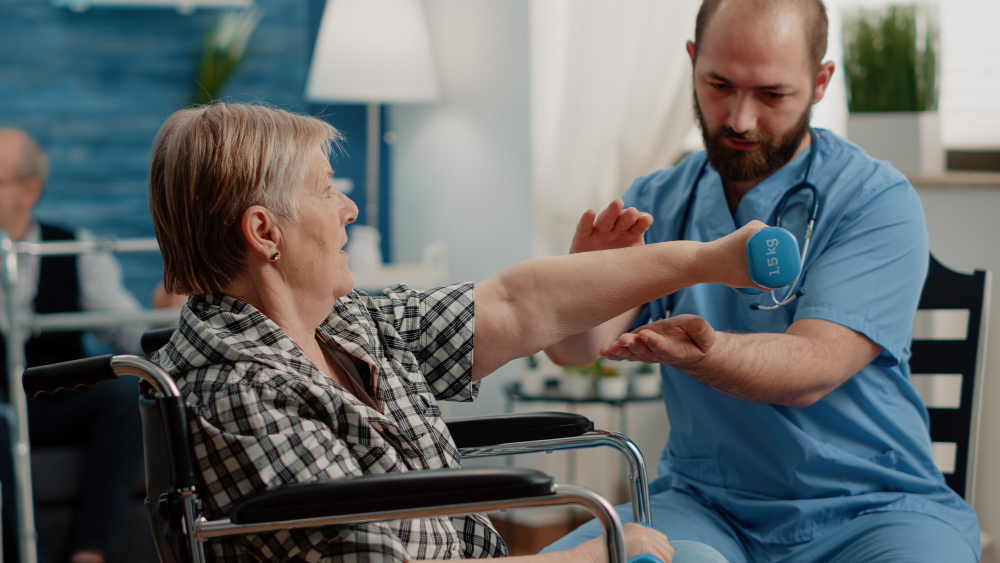
What Is Geriatric Rehabilitation?
Geriatric rehabilitation is a special type of care for older adults. It helps seniors regain strength, movement, and independence after illness or injury. Often, this care includes elderly physiotherapy, exercises, and support. Because people are living longer, geriatric rehabilitation is more important than ever. It can help seniors enjoy a better quality of life and stay active.
Common Conditions and Challenges in Older Adults
Many older adults face health problems that affect their daily lives. For example, they may have trouble walking or doing simple tasks. Geriatric rehabilitation can help with these common conditions:
Because these issues can limit independence, early support is key.
Symptoms and Signs That May Need Geriatric Rehabilitation
Sometimes, it is hard to know when help is needed. However, certain signs suggest that geriatric rehabilitation could help. Watch for these symptoms:
If you notice these changes, it is wise to seek advice from a healthcare provider.
Causes and Risk Factors for Mobility or Functional Decline
Many things can cause older adults to lose strength or movement. For instance, aging naturally leads to weaker muscles and bones. Other common causes include:
Because these risks add up, regular check-ups are important.
Diagnosis and Assessment in Geriatric Rehabilitation
First, doctors or physiotherapists will assess the person’s needs. They may ask about daily activities, medical history, and recent changes. Next, they might check strength, balance, and memory. Sometimes, special tests or scans are used. This careful assessment helps create a safe and effective plan for each person.
Evidence-Based Treatment Options and Physiotherapy Interventions
Geriatric rehabilitation uses proven methods to help seniors recover. Treatment plans often include:
Because each person is different, plans are tailored to individual needs. According to the World Health Organization (WHO), these therapies can greatly improve function and well-being.
Lifestyle Guidance and Home Exercises for Older Adults
In addition to therapy sessions, home exercises are important. For example, simple activities can help maintain progress. Here are some tips:
Because safety matters, always check with a physiotherapist before starting new exercises.
Prevention Strategies to Reduce Risk of Injury or Decline
Preventing falls and injuries is vital for seniors. Luckily, there are many ways to lower risks:
Because prevention is easier than treatment, these steps can make a big difference.
Benefits of Geriatric Rehabilitation for Quality of Life
Geriatric rehabilitation offers many benefits for older adults. For instance, it can:
Because of these benefits, many seniors can stay in their own homes longer. Studies from the CDC show that early rehabilitation leads to better outcomes and greater happiness.
Conclusion: Take the Next Step
Geriatric rehabilitation can help older adults live fuller, safer lives. If you or a loved one is facing challenges with movement or daily tasks, do not wait. Consult a physiotherapist or rehabilitation specialist at Sreeansh Physiotherapy and Rehabilitation Centre for personalized advice on geriatric rehabilitation.