
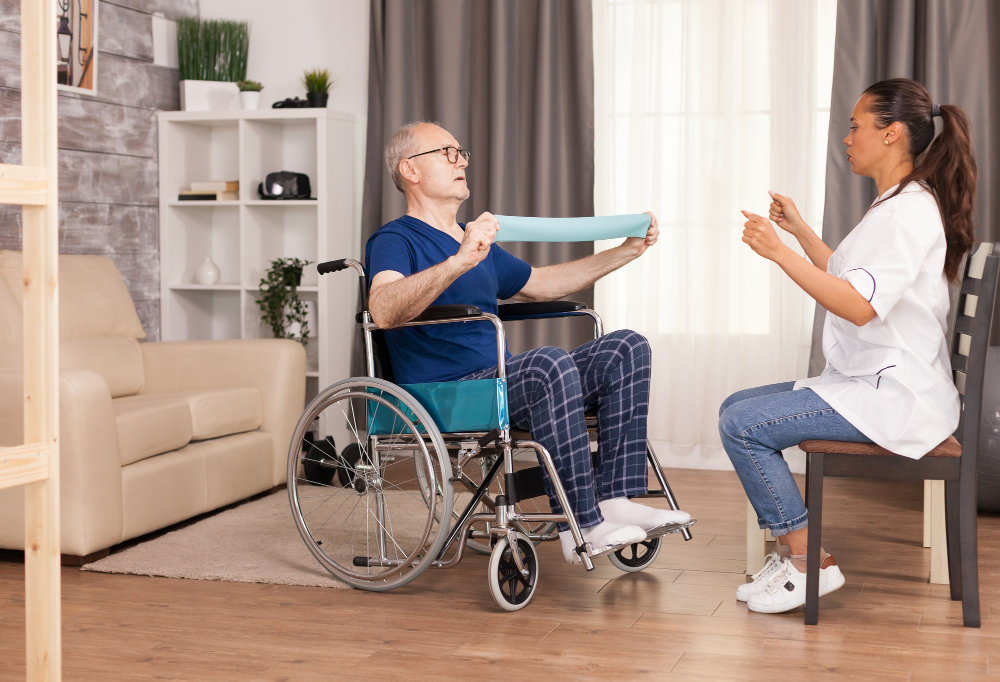
Stroke rehabilitation is a step-by-step process that helps people regain skills lost after a stroke. It is very important because it can improve movement, speech, and daily life. Early and regular stroke rehabilitation gives the best chance for recovery. In this guide, you will learn about stroke rehabilitation, common symptoms, causes, treatments, and tips for better living. This information is based on trusted sources like the World Health Organization (WHO) and the Centers for Disease Control and Prevention (CDC).
What is Stroke Rehabilitation?
Stroke rehabilitation is a set of therapies and exercises that help people recover after a stroke. After a stroke, some parts of the brain may not work as before. Because of this, people may have trouble moving, speaking, or doing daily tasks. Stroke rehabilitation aims to help the brain relearn these skills. It often includes physical therapy, speech therapy, and occupational therapy. Each person’s plan is different, based on their needs. With the right support, many people can improve their quality of life.
Common Symptoms After a Stroke
After a stroke, people may notice changes in their body or mind. These symptoms can vary, but some are more common than others. Knowing these signs can help you seek help early. For example, you may notice:
Sometimes, these symptoms improve with time and therapy. However, early stroke rehabilitation can speed up recovery and help regain lost skills.
Causes and Risk Factors for Stroke
Strokes happen when blood flow to the brain is blocked or a blood vessel bursts. This can damage brain cells quickly. There are several risk factors for stroke. Some can be changed, while others cannot. For instance, common causes and risk factors include:
By managing these risk factors, you can lower your chance of having a stroke. Regular check-ups and a healthy lifestyle are key steps.
Diagnosis and Assessment in Stroke Rehabilitation
Before starting stroke rehabilitation, doctors need to assess your condition. They use tests to find out which parts of the brain are affected. For example, you may have:
These tests help create a personalized rehabilitation plan. As you progress, your care team will check your recovery and adjust your therapy as needed. This ensures you get the right support at every stage.
Effective Treatment Approaches in Stroke Rehabilitation
Stroke rehabilitation uses many treatment methods to help you recover. Each approach targets different needs. For example, common treatments include:
Because every person is different, your care team will choose the best mix of therapies for you. Regular sessions and home practice can boost your progress.
Lifestyle Tips and Home Exercises for Stroke Recovery
After leaving the hospital, it is important to keep working on your recovery. Simple lifestyle changes and home exercises can help improve mobility after stroke. For example, you can:
Always talk to your therapist before starting new exercises. They can show you safe ways to build strength and confidence at home.
Prevention of Stroke Recurrence
After a stroke, you have a higher risk of having another one. However, you can take steps to lower this risk. For example, you should:
Because prevention is key, regular doctor visits and healthy habits can make a big difference.
When to Consult a Physiotherapist or Specialist
It is important to know when to seek expert help. You should consult a physiotherapist or specialist if you:
Early support can help you recover faster and avoid complications. Your care team can guide you through each step of stroke rehabilitation.
Consult a physiotherapist or healthcare specialist at Sreeansh Physiotherapy and Rehabilitation Centre for personalized stroke rehabilitation guidance.